Our Mission
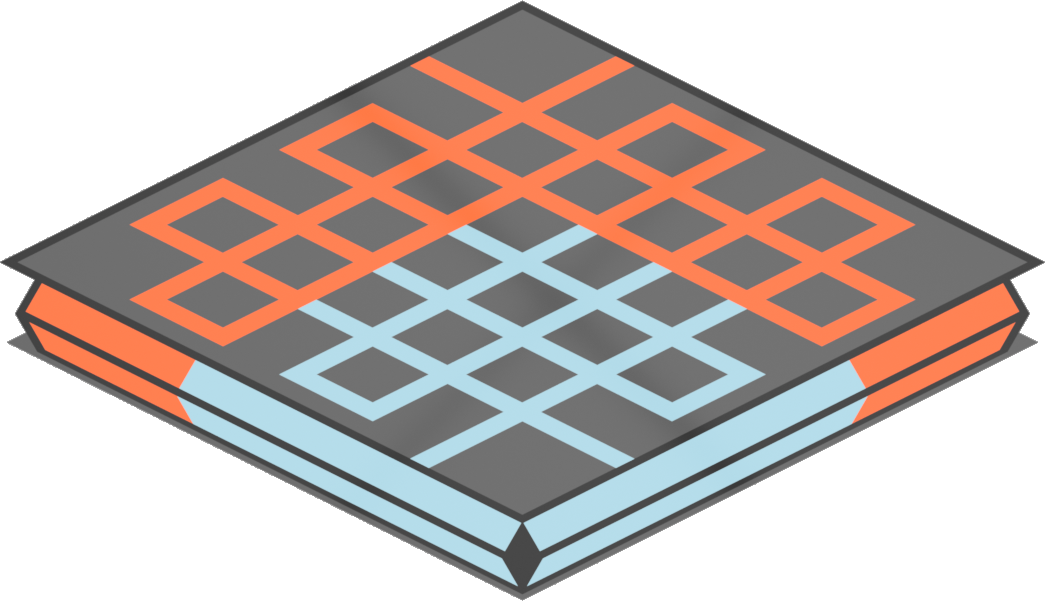
Thermowafer is dedicated to advancing semiconductor performance through rigorous engineering of microsystem geometry. In these systems, thermal and mechanical behavior is governed by structure at the microscale—where surface, channel, and feature design directly determine heat transport and device reliability. Optimization is achieved through simplicity: carefully engineered reduction of components and interfaces yields higher performance and greater long-term reliability.
We are developing innovative cryogenic solutions at the wafer scale to enable the next generation of computation, sensing, and tactical systems. By advancing domestic, chip-integrated thermal management, we aim to strengthen the technological capabilities required for both high-performance applications and national defense priorities.
About Thermowafer
Thermowafer is a startup built around a singular opportunity: a technology with the potential to fundamentally change what's possible in semiconductor performance. Micro-scale cryogenic cooling is a well-documented gap at the core of this field. Researchers have studied the underlying science for decades, establishing a strong theoretical and experimental foundation. Yet that research has never been carried through to a scaled, engineered pursuit: no one has taken it from the lab bench to a manufacturable, chip-integrated platform. We saw that gap not as a limitation, but as the opportunity, and set out to build the company that would finally close it. Taking the contemporary research in this field into our own hands, we believe a realizable, mass-producible product at an affordable price point is within reach, extending the work of the diligent architects who laid this field's foundation into a scaled, commercial reality.
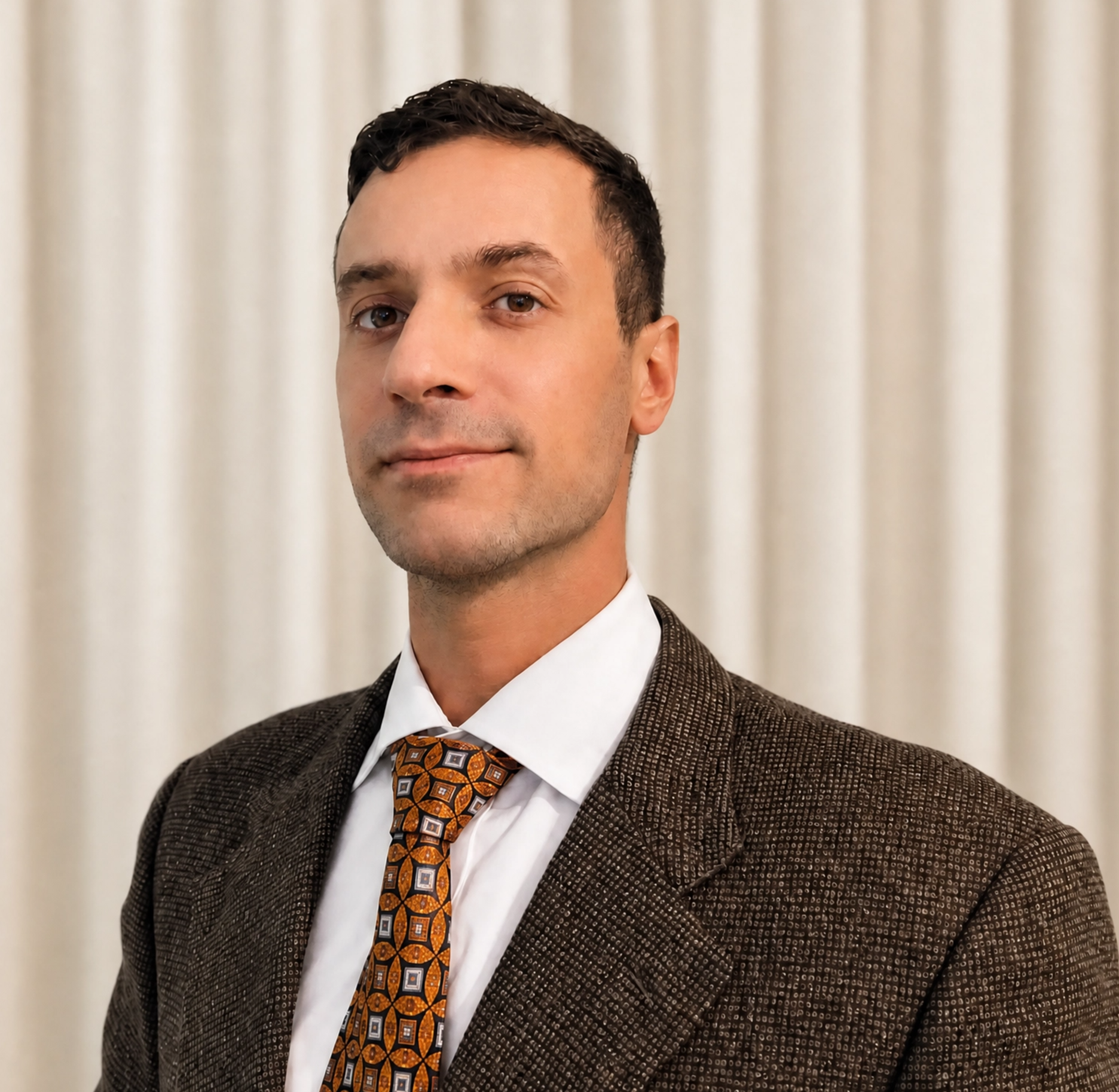
Derek Dayan
Founder & CEO
Derek Dayan is the Founder and CEO of Thermowafer. A mechanical engineer and cryogenicist, he earned his bachelor's degree from the University of Alaska Fairbanks, where sustained exposure to extreme cold reinforced his focus on low-temperature physics.
His background in glassblowing provided an early, hands-on understanding of thermodynamics—heat, flow, and phase change experienced as physical processes rather than abstract equations. Working with liquid oxygen in that context offered direct experience with cryogenic fluids and clarified the principles that govern refrigeration. This foundation in thermal behavior ultimately directed his work toward engineered cryogenic systems, leading him to establish Thermowafer to advance wafer-scale thermal management for next-generation semiconductors.